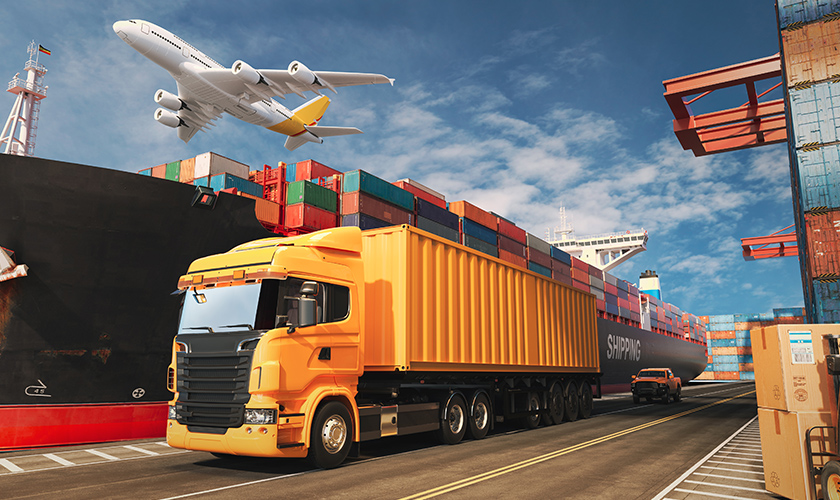
Logistics is a comprehensive process that ensures the effective management of materials and products within the supply chain. It encompasses a range of operations, including material flows, warehousing, transportation, inventory management, and information flows. Logistics aims to optimize processes from production to the end consumer and reduce costs. International logistics extends these processes across borders, managing the complexities of global supply chains.
Logistics plays a key role in coordinating material movements within the supply chain. Starting from the manufacturing stage, it covers every phase, including raw material procurement, production processes, and the distribution of finished goods. Effective management of these processes helps businesses gain a competitive edge and enhance customer satisfaction.
However, with globalization and the growth of international trade, logistics management has become increasingly complex. Businesses may work with suppliers distributed across different regions of the supply chain and must manage intricate logistics networks to deliver goods to customers worldwide. This is where international logistics comes into play.
International logistics involves cross-border transportation, customs clearance, inventory management, and global supply chain optimization. It regulates import and export operations, efficiently managing material flows across borders. Key factors such as customs regulations, tax policies, and transport management must be taken into account throughout this process.
International logistics enables businesses to gain a competitive advantage in the global market. Developing an effective logistics strategy to collaborate with suppliers in diverse geographical regions and deliver goods globally provides enterprises with broad market access. However, managing these operations presents challenges for logistics professionals, requiring strong analytical capabilities to make sound decisions.
Technological advancements play a crucial role in logistics and international logistics. Technological tools such as automation systems, tracking software, inventory management systems, and big data analytics help optimize logistics operations and lower operational costs. Furthermore, these technological solutions accelerate decision-making by facilitating real-time data flows.
International logistics encompasses not only material movements but also information flows. Communication and information sharing are critical for the efficient management of logistics operations. Accurate and timely data coordinates all stakeholders across the supply chain, minimizing errors and expediting operations.
In conclusion, logistics and international logistics are strategic processes critical to business success today. By playing an active role in supply chain management, they help reduce costs, enhance customer satisfaction, and secure a competitive advantage in the global market. Technological advancements and continuous improvement initiatives offer significant potential to enhance logistics efficiency.