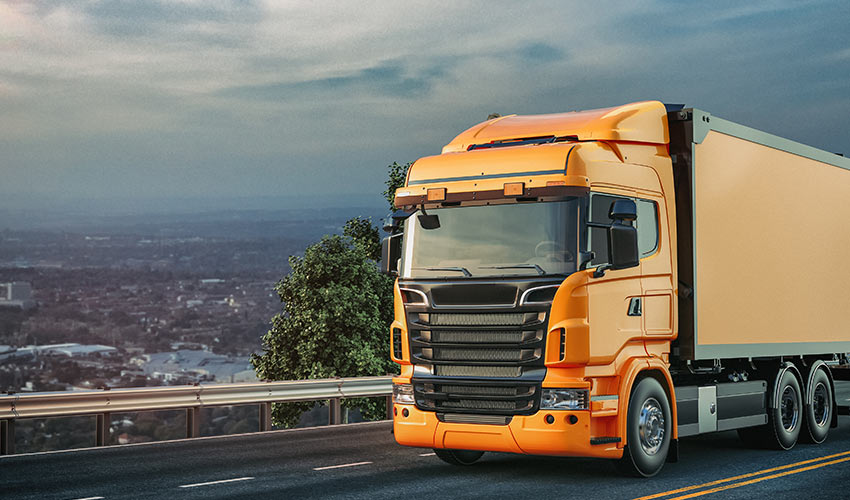

Road freight is one of the primary methods for transporting goods and passengers. Handled via trucks, buses, and private vehicles, it offers a fast, flexible, and widespread transport solution. However, it may face challenges such as traffic congestion and environmental impacts. Technological and infrastructural advancements remain critical to enhancing efficiency and ensuring sustainability.
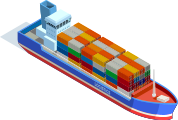
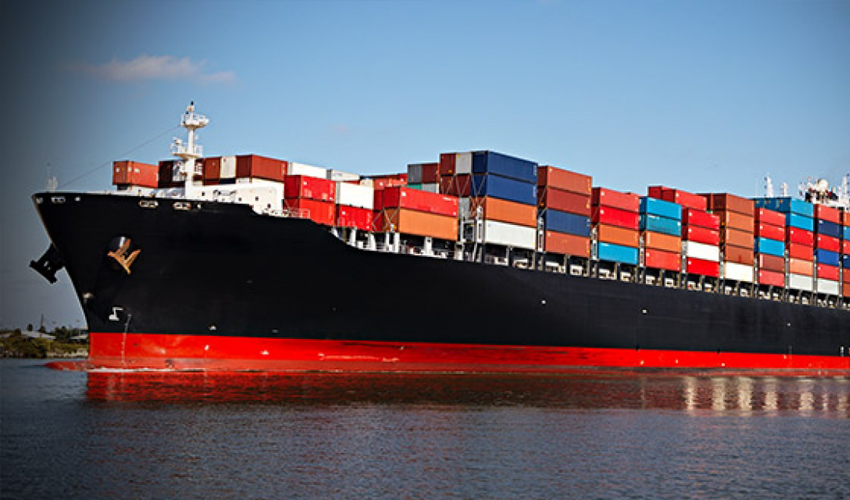
Maritime transport is a fundamental method of moving goods and passengers via waterways. Carried out using vessels, container ships, and ferries, this mode provides an economical solution for transporting high-volume cargo. Maritime transport is a vital component of global trade, with ports serving as strategic logistics hubs.

Railway freight is an effective transport mode that combines operational efficiency with environmental sustainability. Offering fast, dependable, and cost-effective operations, freight rail has the capacity to move massive volumes of cargo. Through these capabilities, rail transport serves as a key driver of economic growth and eco-friendly logistics.
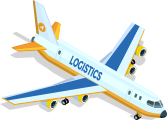
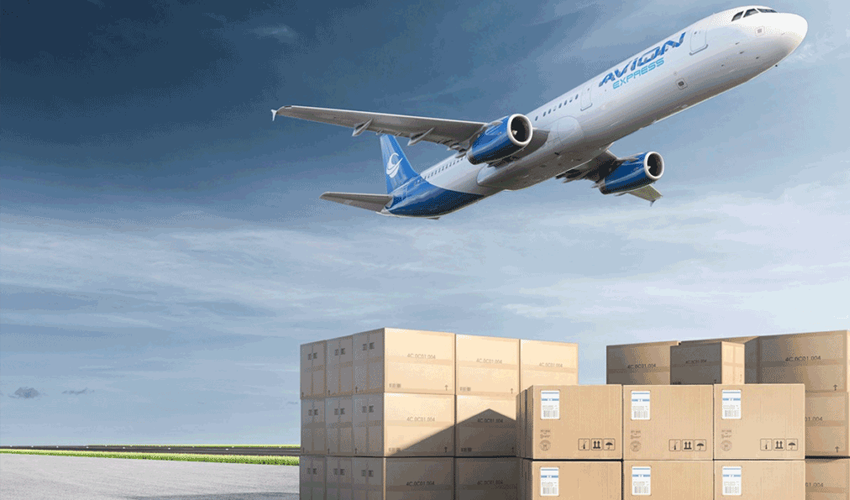
Air freight is a rapid and highly efficient transport solution worldwide. Bridging vast distances in minimal transit time, it ensures the swift delivery of passengers and cargo. Modern aircraft integrate comfort, safety, and speed, strengthening global connectivity, advancing trade, and fostering international engagement.
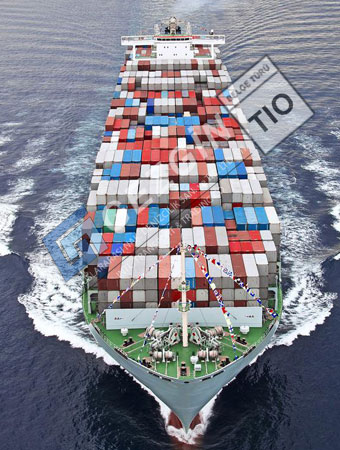
Maritime transport is a critical logistical component that underpins global trade. However, several key factors must be considered to ensure successful maritime transport operations. First, compliance with safety and maritime security standards is essential. Vessel maintenance, a qualified crew, and comprehensive emergency planning play a vital role in accident prevention. Furthermore, sustainability measures must be implemented to minimize environmental impact.

Several critical factors must be taken into account in port services. These considerations are vital to ensuring smooth port operations, maintaining safety and security, and optimizing logistics workflows. The primary factors in port services include: Security, Infrastructure and Technology, Loading and Unloading Services, Warehousing, Vessel Traffic Management, Customs Clearance, Staff Training, and Competency

We organize the transport of all types of cargo and materials by road, sea, and rail on a full (FTL/FCL) and partial (LTL/LCL) basis with maximum reliability and cost-efficiency. Ocean Freight, Customs Services, Port Services, Vessel Chartering Services, Ship Agency, Road Transport, Rail Transport, Warehousing Services, Logistics Services

All of this is backed by a network of experts across every continent, tailored operational tools, and well-defined processes. Every industry has unique logistical requirements; therefore, Gezgin Transport continually innovates to deliver high-value-added, specialized expertise that precisely aligns with modern logistics demands across diverse sectors.
Every industry has unique logistical requirements; therefore, Gezgin Transport continually innovates to deliver high-value-added, specialized expertise that precisely aligns with modern logistics demands across diverse sectors.

Our mission is to design, build, and implement innovative, cost-effective, and sustainable products and services.
"Efficient distribution and fulfillment processes in logistics enhance customer satisfaction through fast, reliable deliveries while driving operational efficiency."
"Through meticulous planning and a robust delivery infrastructure, logistics ensures goods reach customers reliably and on schedule."